

Sneakers have moved far beyond gyms and weekend errands—Americans now wear them in offices, meetings, and even high-level boardrooms. This cultural shift reflects evolving ideas about professionalism, comfort-first values, and a new wave of minimalistic, premium sneaker designs. This long-form guide explores why sneakers replaced dress shoes, how workplaces adapted, and which sneaker styles are now considered business-appropriate, backed by real-life examples and data-driven insights.
The Sneaker Revolution: How Did Gym Shoes Become Boardroom Staples?
Just a decade ago, wearing sneakers in corporate environments was unthinkable. Dress shoes ruled the boardroom, and sneakers lived in gym bags, weekend closets, and running tracks. But in 2025, America has embraced a major style shift: sneakers are now part of the professional uniform.
From Silicon Valley executives to Wall Street analysts, sneakers have become symbols of confidence, modernity, and comfort. This transformation is not a fleeting trend—but rather a cultural, generational, and psychological shift.
A 2024 National Retail Federation report found that 68% of U.S. professionals wear sneakers to work multiple times per week, while 31% wear them daily. The “casualization” of corporate America has officially peaked.
The sneaker movement proves one thing:
Professionalism is no longer defined by rigid footwear—but by presence, performance, and personal style.
Why Did Sneakers Become Acceptable in Corporate America?
Several cultural forces converged to push sneakers beyond gym floors and into conference rooms.
1. The Work-From-Home Effect Changed Everything
The pandemic blurred the line between home and office clothes. Americans returned to workplaces expecting comfort and flexibility—making stiff dress shoes feel outdated.
2. Companies Prioritized Culture Over Formality
Modern organizations value creativity, innovation, and collaboration more than old-fashioned dress codes. Sneakers symbolize an approachable, people-first culture.
3. Global Fashion Trends Shifted Toward Minimalism
Quiet luxury and minimalist aesthetics transformed sneaker design. Sleek, neutral-toned sneakers now feel more premium than many traditional dress shoes.
4. The Rise of the Performance-Lifestyle Hybrid
Brands created sneakers that are supportive enough for the gym yet elegant enough for business meetings. This hybrid category made the gym-to-boardroom shift effortless.
Real-Life Example
A VP at a New York finance firm revealed in an interview that he “ditched dress shoes forever” after returning to hybrid work. His feet hurt less, his outfits looked sharper, and clients responded positively. Soon, his entire division adopted sneakers.
What Makes a Sneaker ‘Boardroom Ready’? Understanding the New Corporate Footwear Aesthetic
Not all sneakers qualify as professional. The boardroom-friendly category follows a very specific formula centered around subtlety, sophistication, and structure.
The Traits of a Boardroom-Approved Sneaker
- Clean silhouette
- Minimal or hidden branding
- Neutral color palette (white, cream, black, gray, tan)
- High-quality materials: leather, suede, knit, premium mesh
- Polished finish
- Slim or moderately chunky base
- No neon, loud graphics, or extreme soles
Boardroom sneakers aim to enhance the outfit—not distract from it.
Which Sneaker Styles Are Perfect for Professional, Corporate, and Business Casual Workplaces?
1. Minimalist Leather Sneakers
These are the gold standard for office-ready footwear.
Examples: Common Projects Achilles, Greats Royale, Koio Capri, Nike Killshot 2
2. Slim Retro Classics
A huge hit in 2024–2025 due to quiet-luxury aesthetics.
Examples: Adidas Samba, Adidas Gazelle, Reebok Club C 85, Veja Campo
3. Premium Performance-Lifestyle Hybrids
Comfort meets elegance—ideal for professionals who walk or commute long distances.
Examples: New Balance 990v6, Asics GEL-NYC, On Cloudnova
4. Understated Luxury Designer Sneakers
For executives or style-forward leaders.
Examples: Dior B27, LV Trainer, Balenciaga Paris low-top
These styles pair seamlessly with business casual and elevated officewear.
Why Professionals Prefer Sneakers Over Traditional Dress Shoes
Sneakers Win Because They Offer:
- All-day comfort
- Arch support and cushioning
- Versatility across outfits
- Reduced risk of long-term foot strain
- Ease of commuting and walking
- A modern, stylish appearance
Real-Life Example
A corporate attorney in Chicago shared online that she switched to cream leather sneakers after developing stress fractures from years of wearing heels. After her switch, several colleagues adopted the same shift—sparking a sneaker-friendly movement within her firm.
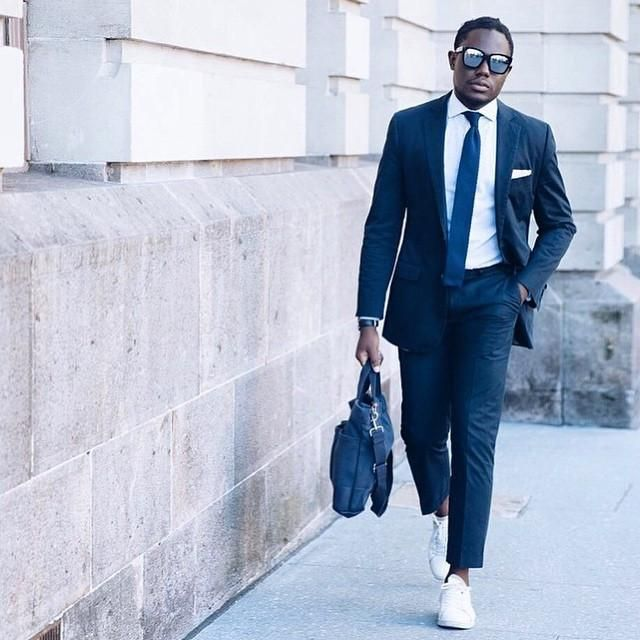
Which Industries Have Fully Adopted Sneakers in Professional Settings?
Sneaker-Friendly Work Sectors Include:
- Tech and startups
- Marketing, PR, and creative agencies
- Healthcare administration
- Real estate
- Education
- Consulting
- Hospitality and event management
- Finance (especially modern firms and investor groups)
Even historically strict industries like legal and corporate banking now incorporate sneakers on non-client-facing days.
How Are Men & Women Styling Sneakers for Work? (Real Outfits & Tips)
Sneakers can elevate—or ruin—professional outfits. Styling matters.
Men’s Professional Sneaker Outfits
- White leather sneakers + tailored chinos + oxford shirt
- Black sneakers + charcoal trousers + blazer
- Cream Sambas + dark denim + wool overshirt
- Navy minimalist sneakers + tapered slacks + cashmere crewneck
Women’s Professional Sneaker Outfits
- Beige leather sneakers + wide-leg pants + blazer
- Cream New Balance 9060 + trench coat + straight-leg trousers
- Black Vejas + matching skirt set
- Taupe Onitsuka Tigers + midi dress + structured jacket
Universal Styling Rules (Pointers)
- Keep sneakers clean at all times
- Match sneakers to the color temperature of your outfit
- Avoid athletic gym sneakers (unless hybrid and premium)
- Structured clothing balances the sporty look
- Stick to muted, office-friendly tones
Why Are Executives and CEOs Choosing Sneakers?
Executives set the tone for corporate culture. More leaders are opting for sneakers because they signal:
- Confidence
- Approachability
- Modern thinking
- Creative leadership
- Tech-forward innovation
- Emotional intelligence
Real Example:
A Fortune 500 CEO was photographed wearing white Common Projects with a navy suit during a shareholder summit. Social media praised the look as “powerful without trying too hard.”
Sneakers communicate freshness—and leaders want to look forward, not backward.
Are Sneakers Replacing Dress Shoes Permanently?
Not entirely—but they are becoming the everyday standard.
Dress Shoes Still Win For:
- Black-tie events
- Courtrooms
- Formal executive presentations
- Weddings
- High-end gala dinners
Sneakers Rule For:
- Daily office routines
- Client meetings
- Business travel
- Conferences
- Team presentations
- Hybrid work days
The footwear landscape is expanding—not eliminating tradition.
Will This Sneaker Shift Continue Into 2026 and Beyond?
Yes—every indicator points toward long-term adoption.
Long-Term Trend Signals
- Hybrid work culture is stable
- Gen Z is entering corporate life
- Sneaker brands are making office-specific lines
- Comfort-first fashion is becoming permanent
- Dress codes are loosening across industries
Sneakers are now embedded in the identity of the modern professional.
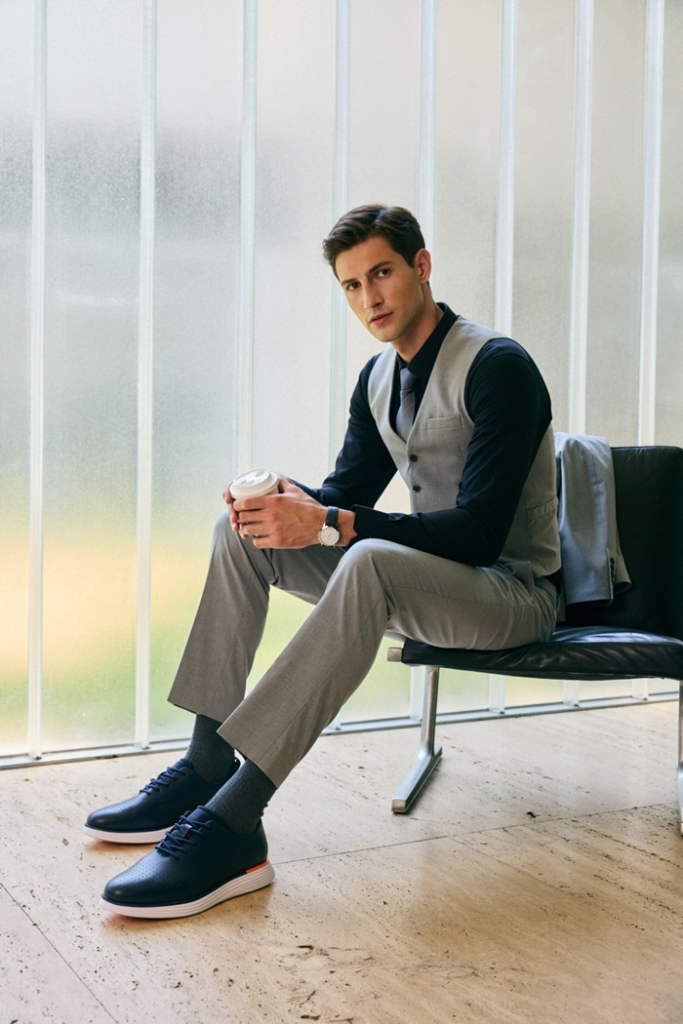
Top 10 FAQs About the Gym-to-Boardroom Sneaker Movement
1. Are sneakers really acceptable in corporate offices now?
Yes—most industries now embrace clean, minimalist sneakers as part of modern professional dress codes.
2. What type of sneakers should I wear to the office?
Neutral, minimalist, leather or premium mesh styles with low branding.
3. Are chunky sneakers okay for work?
Only in creative or relaxed workspaces. Slim or minimal styles are best for traditional corporate environments.
4. Can women wear sneakers with formal office outfits?
Absolutely. Neutral leather sneakers pair beautifully with blazers, trousers, skirts, and dresses.
5. Do CEOs actually wear sneakers in boardrooms?
Yes—many prominent executives regularly wear luxury or minimal sneakers to investor meetings and corporate events.
6. Are sneakers more comfortable for long workdays?
Yes—sneakers offer better cushioning, arch support, and ergonomic benefits than most dress shoes.
7. What colors work best for workplace sneakers?
White, cream, tan, gray, taupe, olive, and black.
8. How do I keep my sneakers looking professional?
Clean regularly, replace laces, avoid colorful soles, and use sneaker protectant.
9. Are sneakers appropriate for job interviews?
Depends on the industry. Tech, marketing, and creative roles often welcome them; law and finance may prefer dress shoes.
10. Will sneakers eventually replace all dress shoes?
No—but they will continue to dominate everyday business attire.