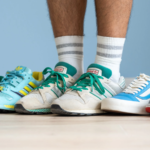
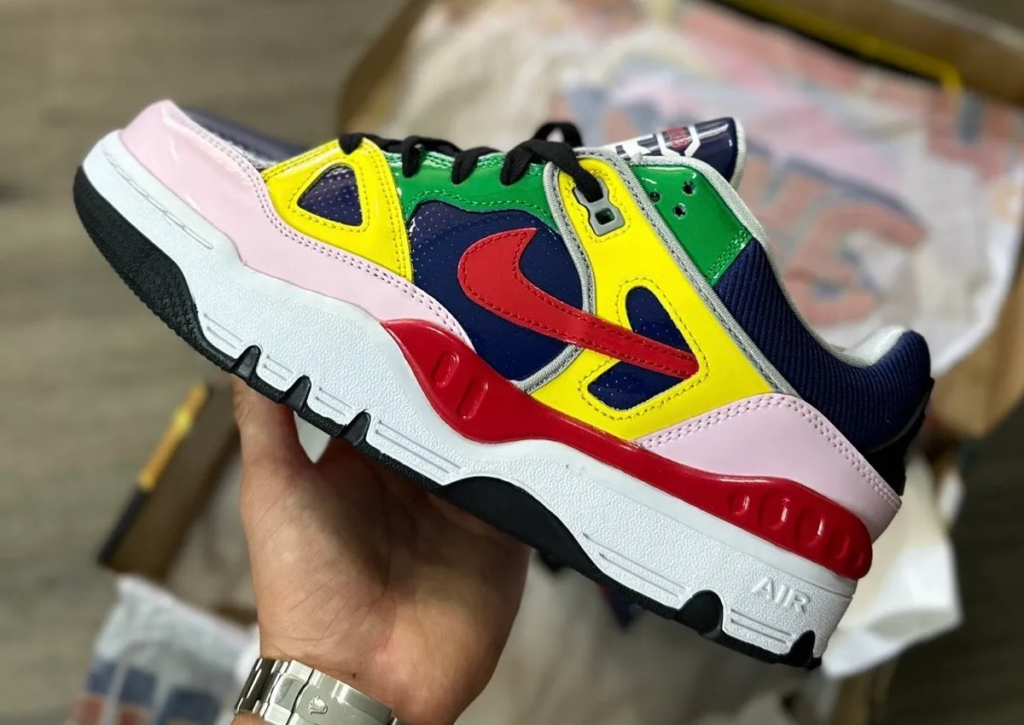

Sneaker hype has evolved from a niche hobby into a multi-billion-dollar global system driven by scarcity, celebrity influence, and explosive resale demand. Today, everyday consumers—not just collectors—play a major role in shaping this economy. This long-form guide breaks down how sneaker hype works, why it’s so powerful in America, and how you can navigate, profit from, or enjoy this culture without getting burned.
How Sneaker Hype Became a Cultural and Economic Powerhouse
Sneakers were once just athletic gear—basketball shoes, running trainers, and workout essentials. But in the last decade, they’ve become cultural artifacts and economic assets. What started with Air Jordans in the 80s has morphed into a global ecosystem where the right pair can resell for thousands, drive viral social media moments, and turn everyday consumers into investors.
In 2024, the sneaker resale industry surpassed $11.5 billion, according to Cowen Equity Research, and is projected to hit $30 billion by 2030. That growth is fueled by scarcity-driven releases, influencer marketing, nostalgia, and a powerful sense of community built around shoe culture.
Sneaker hype is no longer a subculture—it’s a cultural currency.
What Exactly Is Sneaker Hype?
Sneaker hype refers to the emotional, psychological, and economic energy that forms around limited-edition sneakers. These models often sell out within minutes and become highly coveted collectibles, sometimes worth several times their retail price.
Hype is created through a blend of:
- Limited supply
- Exclusive collaborations
- Celebrity endorsements
- Nostalgia-driven designs
- Social media virality
- High resale demand
This combination turns ordinary footwear into high-value status symbols.
Why Did Sneakers Become a Billion-Dollar Game?
Sneaker hype didn’t explode on its own—it was engineered, amplified, and digitized over decades. The following cultural shifts transformed sneakers into financial assets.
1. Celebrity Collaborations Became Cultural Events
From Michael Jordan’s iconic jump shot to Travis Scott’s Cactus Jack releases, celebrity collaborations have fueled sneaker desires for over 40 years. These partnerships create meaning beyond the product—they turn sneakers into collectibles connected to music, sports, art, and pop culture.
Real-life example:
The Louis Vuitton x Nike Air Force 1 by Virgil Abloh sold for retail around $2,750 but routinely resells for $10,000–$30,000, especially after Abloh’s passing. People aren’t just buying shoes—they’re investing in history.
2. Scarcity Became the Ultimate Marketing Strategy
Brands realized that limiting supply increases desirability. Nike SNKRS, Adidas Confirmed, and the New Balance drop system intentionally release fewer pairs than demand. This scarcity:
- creates hype
- triggers FOMO
- increases resale value
- gets fans emotionally invested
The thrill of trying (and often failing) to win a drop fuels the ecosystem.
3. Resale Platforms Turned Sneakers Into Assets
Platforms like StockX, GOAT, and Stadium Goods transformed sneakers into tradeable commodities with:
- price charts
- buyer/seller analytics
- authenticity checks
- global market pricing
This transparency made sneaker flipping accessible to average Americans. Suddenly, anyone could track sneaker value like a stock trader.
A 2023 Statista survey found that 22% of Americans aged 18–34 purchased sneakers specifically for resale. That number keeps rising as younger consumers become more investment-savvy.
4. Social Media Amplified Trends Overnight
Instagram made sneakers visual. TikTok made them viral. YouTube made them reviewable. Twitter made them debatable.
Any one of these can fuel hype:
- a celebrity wearing a rare pair
- a viral unboxing video
- a styling reel featuring a specific colorway
- a leaked photo of an upcoming collab
Social media democratized hype and turned everyday users into trend accelerators.
5. Athleisure and Hybrid Work Lifestyles Changed the Game
The pandemic normalized casual wear. Office dress codes relaxed. Comfort became essential—not optional. And sneakers stepped in as the perfect blend of practicality and style.
This cultural shift expanded sneaker hype to a broader demographic beyond athletes and collectors.
Why Are Americans So Obsessed With Sneaker Hype?
Sneaker hype taps directly into human psychology—identity, status, belonging, scarcity, and emotional memory. These factors explain why millions participate in the hype cycle.
Top Motivations Behind Sneaker Hype
- Status signaling: Shoes are visible, Instagrammable, and recognizable.
- Nostalgia: Retro models remind buyers of childhood heroes and past eras.
- Investment: Limited releases often appreciate in value.
- Community: Sneaker culture offers belonging both online and offline.
- Self-expression: Sneakers reflect style and individuality.
- Exclusivity: Owning what others can’t get feels powerful.
Sneaker hype isn’t just commerce—it’s culture.
How Does Sneaker Hype Actually Work? (The Breakdown)
The sneaker hype cycle is predictable and strategic. Brands, influencers, and fans all contribute to the engine.
The 6-Stage Sneaker Hype Cycle
- Rumors & leaked images
Sneaker blogs and X accounts drop early pics. - Official announcement
Brands reveal details, price, and release dates. - Hype generation
Creator reviews, reels, TikTok videos, influencer teasers. - The drop
Raffles, SNKRS draws, or limited in-store releases. - Instant sell-out
Scarcity drives frenzy. - Resale spike
Prices jump 2–10x before stabilizing.
Understanding this cycle helps you decide where you fit in and how to play the game smartly.
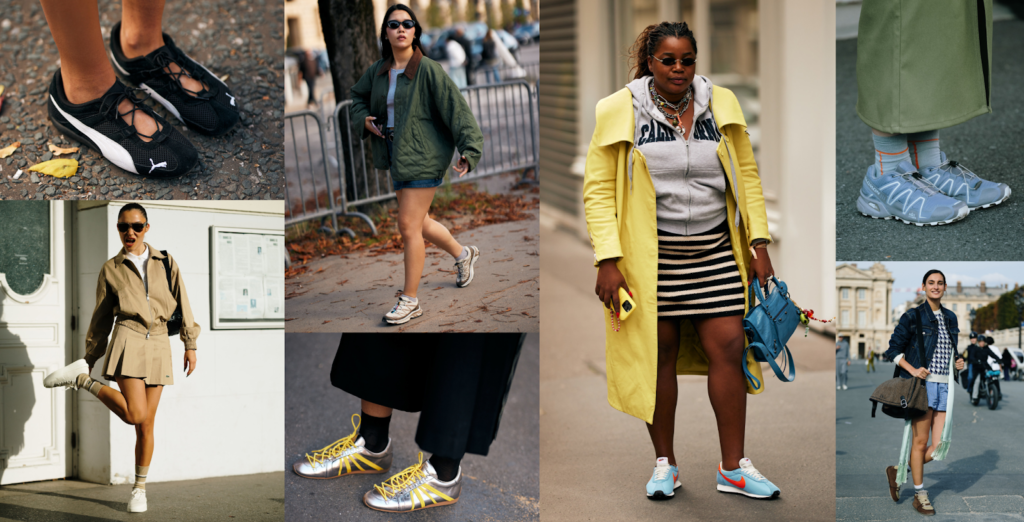
Where Do YOU Fit In This Billion-Dollar Sneaker Game?
Most people fall into one of four categories (many belong to multiple).
1. The Sneaker Enthusiast
You buy sneakers because you love them. You care about:
- comfort
- design
- colorways
- storytelling
You embrace hype without letting it dictate your identity.
2. The Collector
Collectors value sneakers as artifacts. You appreciate:
- limited editions
- historical models
- artist collaborations
- original packaging
- display pieces
Collectors rarely flip pairs—they preserve them.
3. The Reseller / Investor
You treat sneakers like an asset class.
You focus on:
- market analytics
- quick flips
- long-term holds
- DS (deadstock) inventory
- profitable colorways
Many resellers earn anywhere from $500 to $10,000 per month depending on strategy.
4. The Casual Buyer
You want comfortable shoes that look good.
Even if you’re not chasing hype, sneaker culture affects:
- what’s available
- what sells out
- what stays affordable
Everyone is part of this ecosystem—even if indirectly.
The Sneakers That Built Today’s Hype Economy
These silhouettes shaped hype culture as we know it:
Air Jordan 1
The original catalyst of modern sneaker culture.
Off-White x Nike “The Ten”
Virgil Abloh redefined what a collaboration could be.
Yeezy Boost 350/700
Made hype sneakers mainstream outside sports culture.
Nike Dunk Low & SB Dunk
TikTok, thrift culture, and nostalgia revived them.
Travis Scott x Jordan 1
One of the most influential collaborations of the decade.
These shoes are cultural markers, not just footwear.
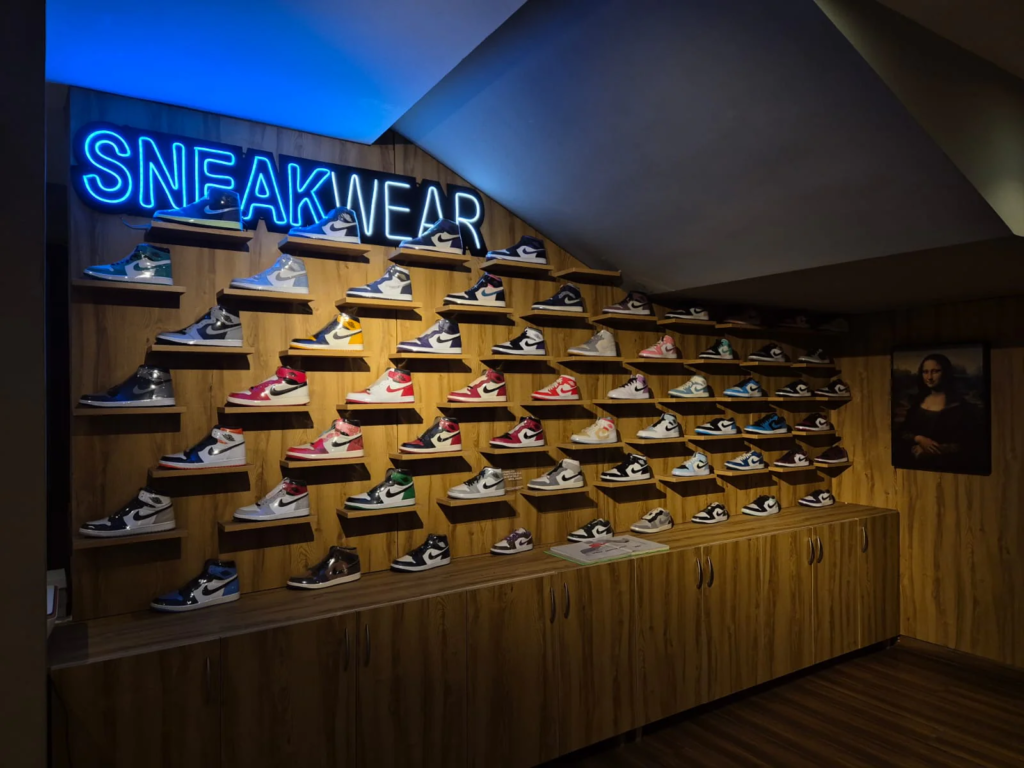
What Are the Risks of Playing the Sneaker Hype Game?
Sneaker hype can be profitable—but also risky.
Common Risks Include:
- Falling for fake sneakers
- Overpaying during hype spikes
- Temporary trends crashing
- Market oversaturation
- Emotional impulse buys
- Resale prices dropping after restocks
Real-life cautionary tale:
Many buyers hoarded Yeezys thinking they’d double in value—then the Adidas–Kanye fallout caused widespread value drops.
Sneaker hype is exciting but requires strategy.
How to Participate Without Losing Money (Smart Buyer Tips)
Follow these strategies to stay smart:
Practical Guidelines
- Monitor price histories on StockX/GOAT
- Avoid impulse buying right after drops
- Invest only in pairs with proven track records
- Keep boxes and tags intact
- Learn to identify authenticity markers
- Only buy what you truly like
This approach protects your wallet and your collection.
How Much Money Can You Make Selling Sneakers?
Earnings vary widely depending on skill and consistency.
Typical U.S. Reseller Earnings
- Beginners: $200–$600/month
- Intermediate sellers: $1,000–$3,000/month
- Advanced resellers: $5,000–$10,000+/month
- Full-timers: $100,000+/year
Profit depends on getting pairs at retail and understanding seasonal demand.
Is Sneaker Hype Sustainable?
The hype era is evolving—not dying.
Trends show:
- increased demand for retro models
- collaborations with artists/designers
- rising interest in sustainable materials
- brands reviving archival silhouettes
- Gen Z driving future sneaker culture
Sneaker hype will continue—but with smarter, more strategic consumers.
Top 10 FAQs About Sneaker Hype
1. What exactly is sneaker hype?
It’s the cultural and economic excitement that forms around limited-edition, high-demand sneakers.
2. Why do hype sneakers resell for so much?
Scarcity, celebrity influence, cultural relevance, and investment demand.
3. Are sneakers a good long-term investment?
Some are—especially limited releases and iconic collaborations.
4. How do I avoid buying fake sneakers?
Buy from verified platforms like GOAT, StockX, Flight Club, or use professional authentication services.
5. Which sneakers are best for beginners?
Jordan 1, Dunk Low, New Balance 550, Nike Vomero 5, and Adidas Campus 00s.
6. How important is condition for resale?
Extremely—deadstock (brand new) pairs sell for the highest margins.
7. Do sneaker trends change quickly?
Yes—hype can shift based on celebrities, social media, or restocks.
8. Is it possible to buy hype sneakers at retail?
Yes, but competition is fierce. Raffles and SNKRS drops offer the best chances.
9. Are older people involved in sneaker hype?
Absolutely. Many collectors and investors are in their 30s, 40s, and 50s.
10. Will sneaker hype die soon?
No, but it will evolve. Expect more vintage revivals, collaboration storytelling, and sustainable drops.