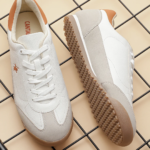
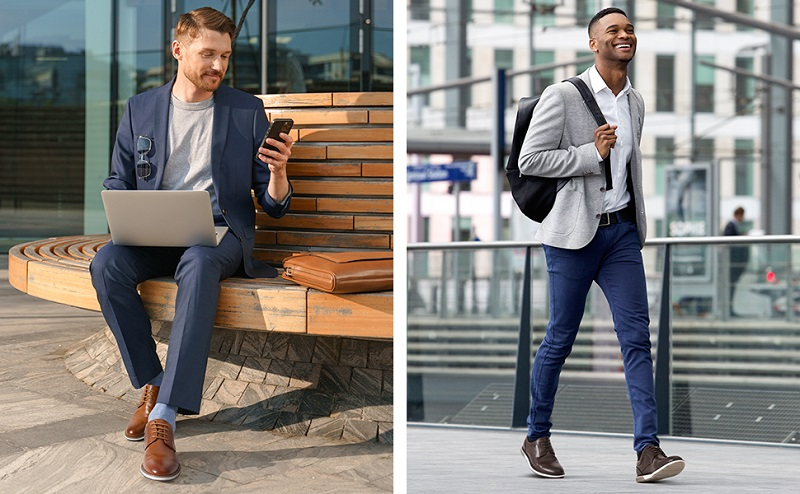

Sneakers are becoming one of the most surprising yet practical trends taking over modern American workplaces. Once considered “too casual,” they’re now accepted across tech firms, creative offices, hybrid environments, and even certain corporate spaces. This long-form guide explores why sneakers are gaining ground at work, how to style them professionally, and what employers really think—supported by real-life examples, actionable tips, and data-driven insights.
Sneakers at Work? The Office Trend That’s Quietly Taking Over
Not long ago, sneakers and office settings lived in two separate fashion universes. Corporate handbooks insisted on dress shoes, heels, or loafers; sneakers were reserved for lunchtime walks or casual Fridays. But step into any modern U.S. office today—whether it’s a Chicago marketing firm, a New York tech hub, an LA media company, or a Dallas corporate tower—and you’ll see something different: sneakers beneath desks, under conference tables, and confidently styled in meeting rooms.
No announcement was made. No official memo was sent. But a quiet revolution has reshaped workplace norms: sneakers at work are now widely accepted, respected, and—sometimes—even encouraged.
This shift is more than a fashion trend. It reflects deeper cultural changes regarding comfort, productivity, mental well-being, and modern professionalism. Sneakers have evolved from being “too casual” to being a symbol of contemporary efficiency, hybrid work culture, and personal style expression.
In this extensive guide, we’ll explain why sneakers are taking over offices across the U.S., how professionals are styling them, which industries embrace them, and how you can confidently adopt the trend—without compromising professionalism.
Why Are Sneakers Becoming so Popular in American Workplaces?
Sneakers didn’t become office staples overnight. Their rise is tied to shifts in workplace culture, employee expectations, and broader fashion movements across the U.S.
1. Comfort Became a Priority
Americans now see comfort as a professional advantage, not a weakness.
A McKinsey study found that 74% of U.S. employees prefer comfort-driven clothing for work. After years of remote work and loungewear, returning to stiff footwear simply didn’t make sense.
2. Hybrid Work Changed Dress Codes
Hybrid and flexible schedules softened professional expectations. When employees split time between home and office, formal dress codes started losing relevance.
3. Tech Culture Normalized Casual Footwear
Silicon Valley was the earliest adopter. CEOs and engineers walked into boardrooms wearing hoodies, jeans, and stylish sneakers—proving results mattered more than outfits.
Other industries followed.
4. Sneakers Became Fashionable, Not “Casual”
Today’s fashion recognizes sneakers as polished accessories—not sloppy stand-ins.
Premium brands like Common Projects, Vejas, Axel Arigato, Cole Haan, New Balance, and Nike elevated the sneaker category.
5. Health and mobility are modern priorities
Compared to dress shoes, sneakers offer:
- better arch support
- reduced knee strain
- improved posture
- easier commuting and walking
Many Americans walk thousands of steps daily, and sneakers simply perform better.
What Types of Offices Now Allow Sneakers?
Dress codes still vary across industries, but sneaker acceptance is broader than ever before.
Common sneaker-friendly workplaces include:
- Tech companies
- Creative agencies
- Digital marketing firms
- Universities and educational campuses
- Healthcare corporate offices
- Media & entertainment companies
- Real estate agencies
- Retail corporate offices
- Fashion PR departments
- Consulting firms with hybrid work
Where sneakers are sometimes accepted (with caution):
- Corporate finance
- Insurance
- Legal offices
- Government agencies
Even in conservative fields, minimalist leather sneakers are slowly replacing traditional shoes in certain roles.
What Do Sneakers Signal in a Modern Workplace?
Sneakers carry cultural meaning—especially in the U.S.
They communicate:
- confidence
- efficiency
- approachability
- forward-thinking mindset
- creativity
- practical intelligence
- non-pretentious professionalism
In today’s environment, sneakers don’t signal rebellion. They signal relevance.
Are Sneakers Professional Enough for Work? Absolutely—If You Choose the Right Ones.
The key is the type of sneaker you choose. Not all sneakers belong in the office.
Best Work-Appropriate Sneakers Include:
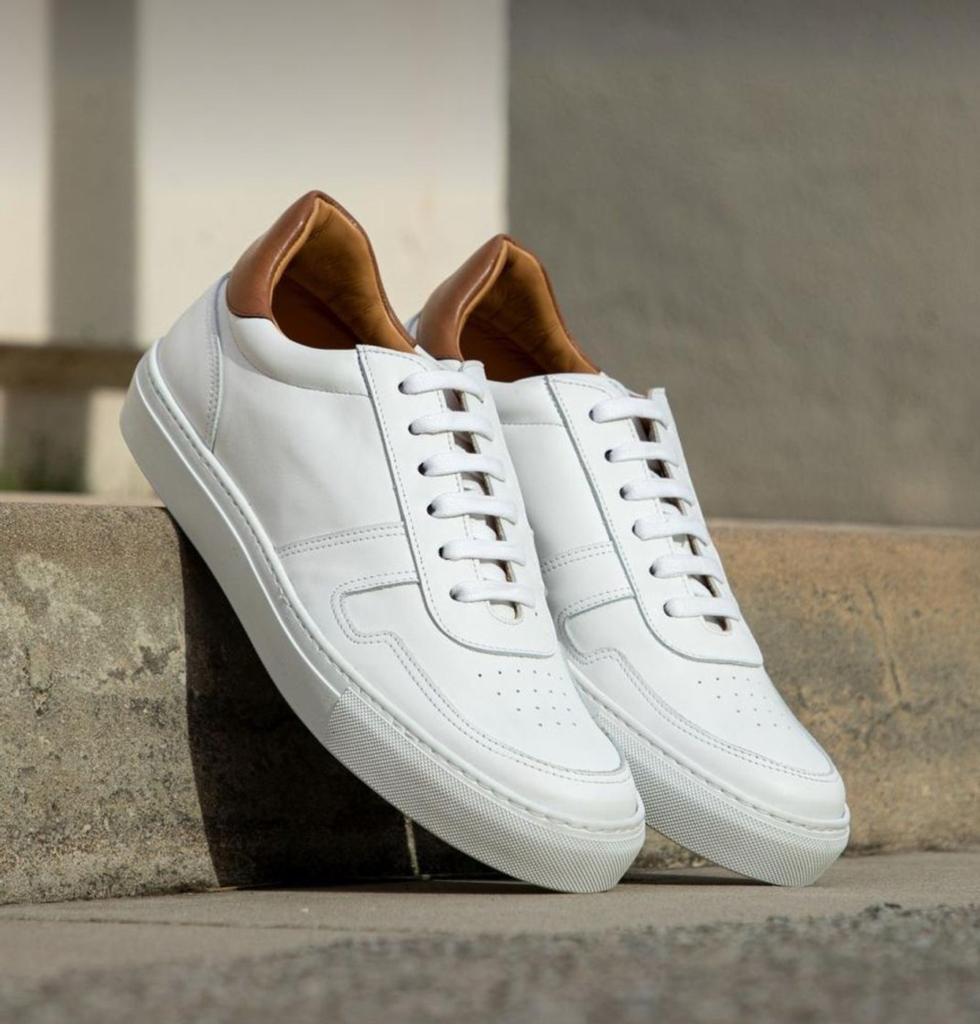
- White leather low-tops
- Neutral (beige, cream, grey, taupe) sneakers
- Retro court sneakers (Nike Killshot, Adidas Samba, Reebok Club C)
- Minimal black leather sneakers
- Premium lifestyle sneakers (Common Projects, Vejas, Axel Arigato)

Sneakers to Avoid at Work:
- loud, neon athletic running shoes
- muddy or worn-out pairs
- bulky basketball sneakers (unless in creative roles)
- excessively chunky “dad shoes” (unless styled deliberately)
- high-tops in conservative offices
If the sneaker is clean, sleek, and minimally branded, it’s usually office-friendly.
How to Wear Sneakers to Work Without Looking Too Casual
This is one of the most common questions American workers ask.
Good news: the solution is simple.
Follow these style guidelines:
1. Balance sneakers with tailored clothing
Pair sneakers with:
- trousers
- blazers
- pencil skirts
- button-down shirts
- tailored dresses
- structured coats
The structure elevates the entire outfit.
2. Stick to neutral colors
White, black, grey, beige, tan, or navy look professional.
3. Keep sneakers spotless
Clean footwear = professional appearance.
4. Avoid athletic mesh or neon designs
Choose leather, suede, or premium blends.
5. Match your sneakers to your role
A graphic designer may wear New Balance 550s.
A financial analyst may wear minimalist dress sneakers.
Real-Life Examples from U.S. Offices
Here are realistic snapshots of how Americans style sneakers at work:
1. The Chicago Marketing Manager
Wears crisp white Vejas, black ankle trousers, and a beige blazer. The look feels polished yet relaxed for long office days.
2. The LA Creative Director
Mixes a black midi dress with cream leather sneakers—comfortable enough for long shoots, stylish enough for client meetings.
3. The NYC Product Designer
Pairs tailored joggers, a structured bomber jacket, and clean white low-tops—perfect for long brainstorming sessions.
4. The Texas Corporate Analyst
Neutral sneakers with chinos, a tucked polo, and a lightweight blazer—ideal for hybrid work.
5. The Seattle HR Lead
Wears dress pants, a soft knit sweater, and minimal black sneakers for a modern business-casual look.
These examples show that sneakers don’t reduce professionalism—they enhance practicality.
Which Sneakers Are Best for All-Day Office Wear?
Employees wear sneakers for comfort and support during long working hours.
Most comfortable and stylish options:
- New Balance 990v5, 327, 550, 9060
- Adidas Stan Smith, Samba, Supercourt
- Nike Killshot 2, Court Legacy
- Vejas Campo or Esplar
- Common Projects Achilles Low
- Cole Haan Grand Crosscourt II
- Allbirds Tree Pipers (for sustainability-driven companies)
Choose sneakers based on both function and style.
Why Employers Are Becoming More Accepting of Sneakers
1. Employees perform better when comfortable
Foot discomfort can reduce productivity.
2. Sneakers match modern company culture
Rigid dress codes feel outdated.
3. Helps attract younger talent
Gen Z and Millennials see flexible dress codes as a workplace perk.
4. Encourages psychological safety
Relaxed dress norms promote collaboration and creativity.
5. Practical for active workplaces
People who walk frequently benefit physically.
Sneakers support a healthy office culture—not hinder it.
Do Sneakers Work with Business Casual? Yes—Better Than Ever.
Pairing sneakers with business casual is now standard practice.
Outfit examples:
- White sneakers + tapered trousers + button-down shirt
- Cream sneakers + midi skirt + structured blazer
- Black leather sneakers + knit sweater + ankle pants
- Retro sneakers + dress + trench coat
- Minimal sneakers + chinos + polo
Sneakers ground the outfit and modernize traditional silhouettes.
Top 10 FAQs About Sneakers at Work
1. Are sneakers acceptable in business-casual offices?
Yes—especially when clean, minimal, and neutral.
2. Can I wear sneakers to a job interview?
For tech or creative roles—yes. For finance or law—better to avoid.
3. What color sneakers look most professional?
White, black, grey, beige, and navy.
4. Do executives wear sneakers now?
Yes—founders and C-suite leaders in tech, retail, and media frequently wear them.
5. Do sneakers work with suits?
Absolutely—especially slim, modern suits with leather sneakers.
6. Are athletic running shoes okay?
Typically no, unless your workplace is extremely casual.
7. Do high-tops look professional?
In creative industries, yes. In conservative offices, no.
8. Are chunky sneakers acceptable?
Yes in trendy creative settings, less so in formal workplaces.
9. How many pairs of work sneakers should I own?
Ideally two or three: white, black, and a neutral pair.
10. Can older professionals wear sneakers to work?
Yes—sneakers are age-free when styled appropriately.
Conclusion: Sneakers Are Redefining Workplace Fashion
Sneakers aren’t a rebellion—they’re a reflection of modern professionalism.
They represent comfort, mobility, confidence, and authenticity—qualities workplaces now value deeply.
Whether you’re a designer in LA, a developer in Austin, a consultant in Chicago, or an executive in New York, sneakers can elevate your workday, support your posture, and help you navigate a demanding schedule with ease.The sneaker-at-work movement isn’t just quietly taking over—
it’s shaping the future of American office fashion.