
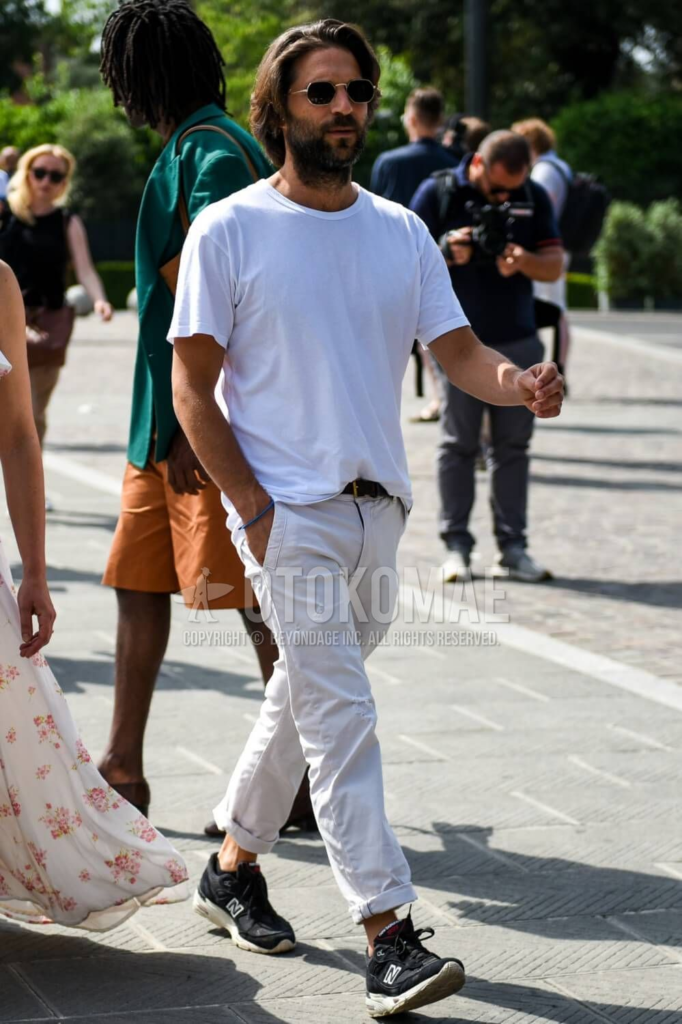

Season-swap sneaker styling is the hidden strategy U.S. fashion insiders use to transition footwear seamlessly across spring, summer, fall, and winter. This in-depth guide reveals the expert tricks behind choosing the right materials, colors, silhouettes, and care methods for each season—while staying stylish, comfortable, and weather-ready. Includes real-life examples, sustainability insights, outfit formulas, and the top sneaker questions Americans ask today.
The Secret Season-Swap Sneaker Tricks US Fashion Insiders Use
Sneakers dominate American wardrobes more than ever before. Whether it’s commuting to work, running errands, attending weekend brunches, or traveling, sneakers have become the universal footwear of choice. But the biggest shift isn’t about buying new pairs every season—it’s about learning the season-swap sneaker strategies that allow one pair to stay relevant year-round.
U.S. fashion insiders—stylists, creative directors, merchandisers, and sneaker consultants—have quietly perfected the art of transitioning sneakers through every season. Their tricks aren’t obvious from the outside, but once you learn them, your sneakers instantly look fresher, more intentional, and weather-appropriate.
As the American climate becomes more unpredictable and wardrobes become more minimalist, these season-swap techniques are becoming essential. This guide breaks down everything you need to know to elevate your sneakers from spring through winter.
Why Are Season-Swap Sneaker Tricks Suddenly Popular in the U.S.?
The U.S. has embraced sneaker versatility due to shifting cultural and lifestyle patterns. Americans no longer want separate sneakers for every season—they want fewer, better, longer-lasting pairs.
The biggest drivers of this trend include:
- Climate unpredictability: Winters are warmer, summers hotter, and transitional weather unpredictable.
- Hybrid work culture: Sneakers must fit office + weekend lifestyles.
- Capsule wardrobe movement: Americans want shoes that style well across seasons.
- Athleisure influence: Comfort and style must coexist.
- Budget consciousness: Quality over quantity is rising.
A 2024 U.S. Style & Comfort Report revealed that 76% of Americans wear sneakers more than any other footwear, and 61% wear sneakers year-round—highlighting why season-swap strategies are becoming essential.
What Does “Season-Swapping Sneakers” Actually Mean?
Season-swapping means adapting sneaker materials, colors, silhouettes, and styling techniques to the changing seasons—and doing it with intention.
It includes:
- Changing materials for breathability or warmth
- Adjusting colors based on seasonal palettes
- Switching sock types and layering formulas
- Using protection sprays during rain or snow
- Transitioning from low-tops to high-tops
- Rotating between leather, suede, mesh, and canvas
- Reworking outfits around weather-specific needs
Season-swapping isn’t just about survival—it’s about style optimization.
What Sneaker Materials Work Best for Each Season?
Material choice is the #1 factor that determines whether your sneakers feel seasonally appropriate.
Spring: Transitional & Weather-Resistant
Spring demands sneakers that can handle chilly mornings, rainy afternoons, and mild evenings.
Best materials for spring:
- Leather
- Weather-protected suede
- Knit sneakers
- Perforated leather
Real-Life Example:
A D.C. lobbyist relies on water-resistant white leather sneakers during unpredictable March rains—polished enough for office meetings, sturdy enough for sudden showers.
Summer: Breathable & Lightweight
Summers in the U.S. can be brutally hot, making breathability essential.
Best materials for summer:
- Knit/flyknit
- Mesh
- Lightweight canvas
- Ventilated leather
Real-Life Example:
A Miami fitness trainer lives in mesh runners during 100°F days. “My feet stay cooler than in sandals, plus I can walk for miles,” she says.
Fall: Warm & Textured
Fall calls for color depth, thicker fabrics, and warmer tones.
Best materials for fall:
- Suede
- Nubuck
- Textured leather
- Earth-tone colorways
Real-Life Example:
A Portland designer switches from white leather to tan suede in September. “The vibe instantly feels autumn—no outfit changes needed,” he shares.
Winter: Durable & Insulated
Winter footwear must handle snow, ice, windchill, and slush.
Best materials for winter:
- Full-grain leather
- Waterproof leather
- Insulated or fleece-lined sneakers
- High-tops with grip soles
Real-Life Example:
A Minnesota teacher uses ankle-high insulated leather sneakers paired with wool socks. “Comfortable all day, warm in freezing mornings,” she says.
How U.S. Stylists Transition Colors Through the Seasons
Color is one of the strongest signals of seasonal awareness.
Spring Colors
- White
- Soft pastel accents
- Cream
- Muted blue
Summer Colors
- Bright whites
- Soft gray
- Light neutrals
- Neon accents (optional)
Fall Colors
- Brown
- Tan
- Burgundy
- Olive
- Rust
Winter Colors
- Black
- Deep gray
- Navy
- Forest green
Insider Trick:
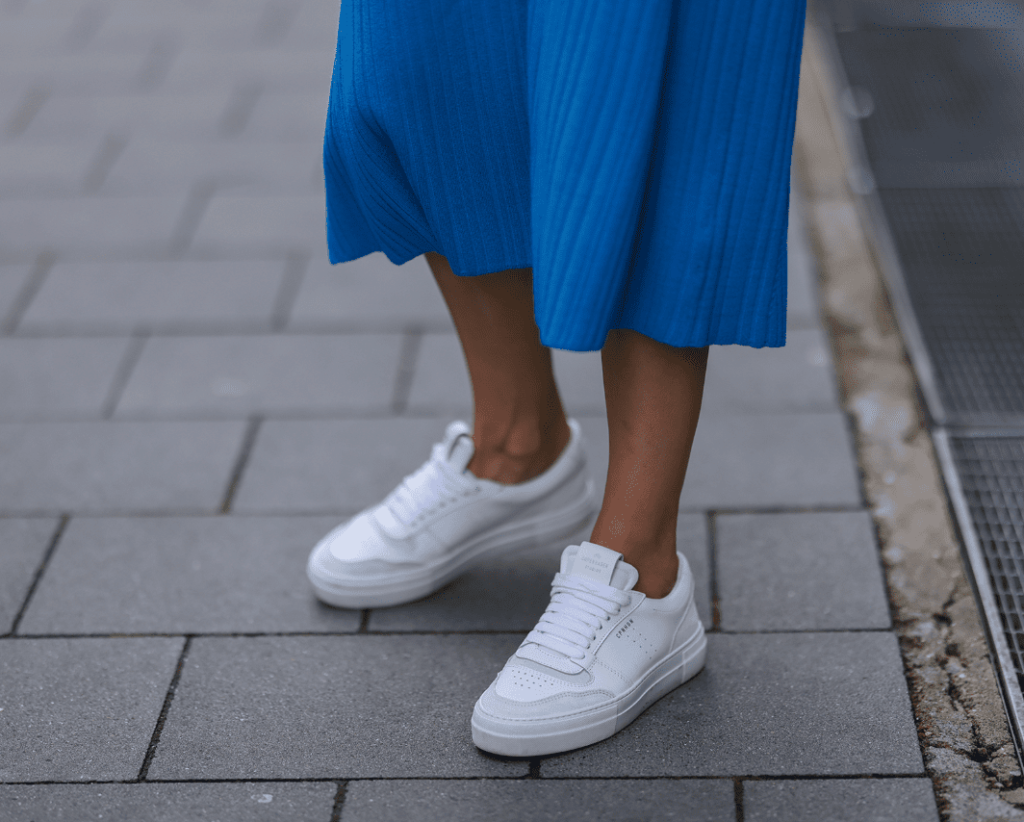
White sneakers are never out of season—stylists simply adjust outfits around them.
How Should Sneakers Fit for Different Seasons?
Foot swelling, socks, and temperature all affect fit.
Summer Fit Tips
- Allow slightly extra toe room
- Opt for breathable insoles
- Wear thin socks or no-shows
Winter Fit Tips
- Go half a size up for thick wool socks
- Choose high-tops for ankle coverage
- Avoid narrow toe boxes
Real-Life Example:
A New York commuter buys two versions of her winter sneaker—one true size, one half-size up—so she can rotate based on temperature.
How Do You Style Sneakers During Seasonal Transitions?
This is one of the most searched sneaker questions in the U.S.
Spring → Summer
- Swap jeans for chinos or shorts
- Replace leather with mesh
- Switch dark laces for white or pastel ones
Summer → Fall
- Add textured socks
- Introduce earth-tone sneakers
- Pair with flannels, cardigans, utility jackets
Fall → Winter
- Move to high-tops
- Switch from canvas to leather
- Wear thicker wool socks
Real-Life Example:
A Chicago consultant uses the same beige sneakers from August to November—simply adjusting socks, pants, and outerwear.
What Accessories Make Season-Swapping Easier?
Sneakers don’t stand alone—accessories shift the seasonal mood.
Seasonal Accessory Guide
- Spring: lightweight caps, slim backpacks
- Summer: sunglasses, tote bags, invisible socks
- Fall: wool beanies, textured belts, crossbody bags
- Winter: scarves, thicker socks, insulated coats
Accessories are the fastest way to make sneakers seasonally appropriate without buying new shoes.
How Do Experts Store & Maintain Sneakers Year-Round?
Proper care keeps sneakers looking new through all four seasons.
Insider Storage & Maintenance Tips
- Use cedar shoe trees
- Clean sneakers before each season shift
- Store in breathable dust bags
- Keep sneakers away from direct heat
- Insert silica gel packs to absorb moisture
- Rotate pairs every 3–5 days
Real-Life Example:
A sneaker collector in Atlanta uses labeled storage boxes and silica packets to maintain 25 pairs. “My sneakers don’t age,” he says proudly.
Pointers: Quick Season-Swap Sneaker Tricks
Do This
- Rotate materials based on weather
- Adjust lace colors to match seasonal palettes
- Apply protection sprays in rain and snow
- Style sneakers with season-appropriate layers
- Maintain a 5–8 pair capsule sneaker rotation
Avoid This
- Wearing mesh in winter
- Wearing suede in heavy rain
- Storing sneakers in humid closets
- Wearing bright neons in fall unintentionally
- Using gym sneakers as “everyday” shoes
10 Trending FAQs About Season-Swapping Sneakers
1. Can I wear white sneakers all year?
Yes. White sneakers are seasonless if styled correctly and well maintained.
2. What sneakers are best for winter?
Water-resistant leather high-tops, insulated pairs, and sneakers with grip soles.
3. Is suede okay for spring?
Yes—but only when treated with a protective water-repellent spray.
4. What colors work best for fall?
Earth tones like tan, olive, rust, and burgundy.
5. Can I wear mesh sneakers in winter?
Not recommended—they let cold air and water in.
6. How do I protect sneakers from rain?
Use hydrophobic sprays, avoid deep puddles, and dry with microfiber cloths.
7. Are high-tops better for winter?
Yes—high-tops provide warmth, ankle protection, and better stability.
8. How often should sneakers be rotated?
Every 3–5 days to maintain freshness, structure, and lifespan.
9. Do I need different sneakers for different seasons?
You need different materials—but not necessarily more pairs.
10. What’s the ideal sneaker capsule for all seasons?
White leather, mesh runners, suede fall pair, winter high-tops, and one neutral everyday sneaker.
Final Takeaway
Season-swapping sneakers is no longer a stylist secret—it’s an essential U.S. fashion strategy. By choosing the right materials, adjusting colors, rotating silhouettes, and maintaining your sneakers properly, you can make a handful of pairs work beautifully across all four seasons.
The result?
More style.
More comfort.
More longevity.
More confidence.
And far fewer unnecessary purchases.
Use these insider tricks to make every sneaker in your closet season-ready and stylish year-round.